
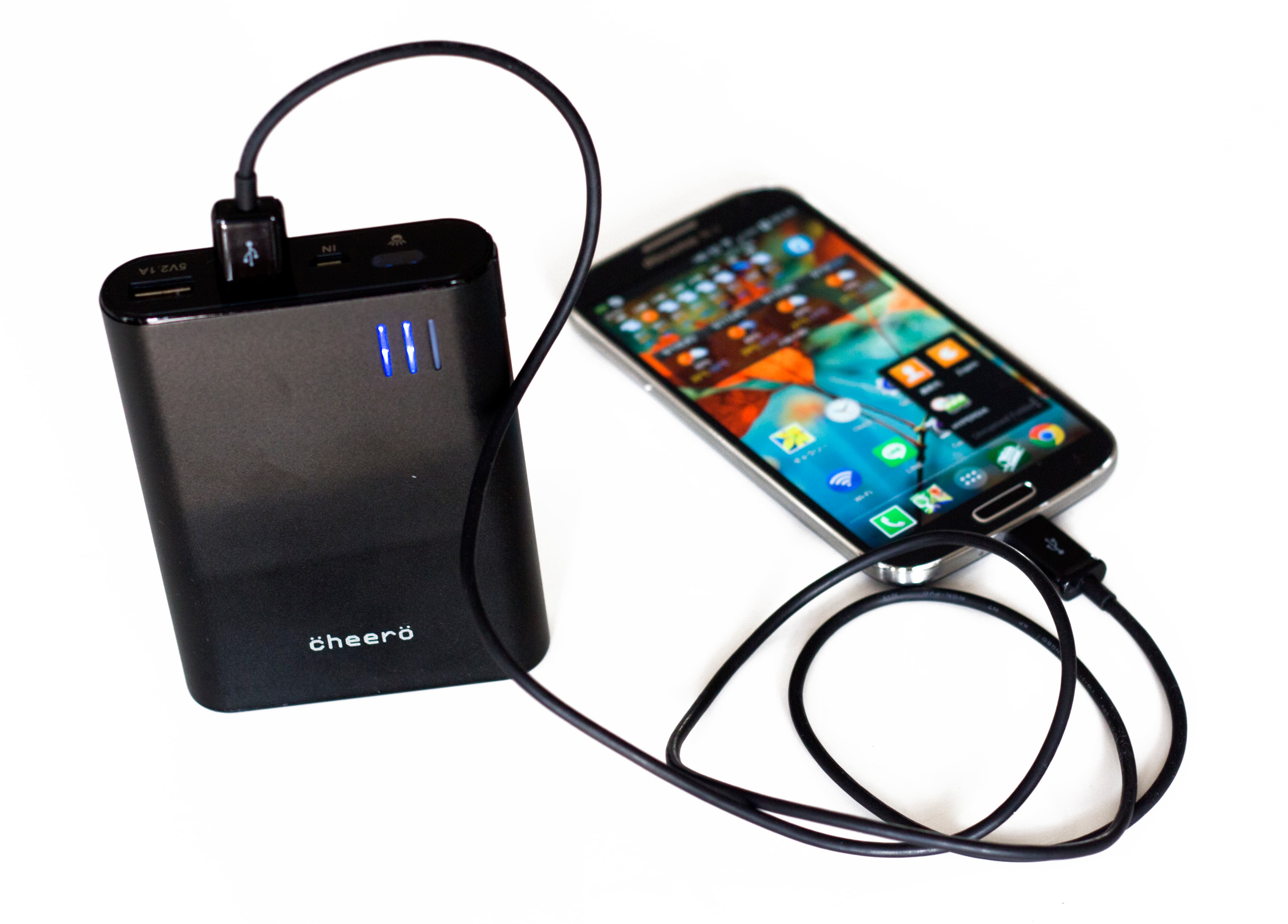
Since 28 June 2025, China bans power banks without the Chinese 3C certification mark from all domestic flights, and this catches foreign travelers constantly: your charger bought at home almost certainly does not carry the 3C mark, and security at the gate will not let it through. The basic limits are unchanged, with up to 100 watt-hours allowed freely and 100 to 160 watt-hours with airline approval, but the certification stamp is now the first thing officers look for.
Here is how the rule works at Beijing Daxing, what it means for international connections, and how to avoid losing your charger at a security tray.
The rules at a glance
| Question | Rule |
|---|---|
| Which flights | Domestic flights within mainland China (the strictest case) |
| Certification | The power bank must carry a clear 3C (CCC) mark; recalled models are banned outright |
| Up to 100 Wh | Allowed in carry-on, no approval needed |
| 100 to 160 Wh | Airline approval required, maximum two per passenger |
| Over 160 Wh | Prohibited |
| Checked baggage | Never; power banks fly in the cabin only |
| Use on board | Charging devices from a power bank during the flight is prohibited |
Watt-hours are printed on the casing; 10,000 mAh at 3.7 V is 37 Wh, and 20,000 mAh is 74 Wh, so ordinary chargers fit the 100 Wh class comfortably. The problem is the stamp, not the size.
What this means for foreign travelers
The strict 3C requirement applies to domestic departures. If your route is purely international, for example landing at Beijing Daxing from Europe and flying out to a third country, you follow the standard international lithium battery rules, which the 100 and 160 watt-hour numbers come from.
The trap is the mixed itinerary. Land at PKX, then take a domestic hop to Shanghai or Chengdu, and your foreign power bank without a 3C mark will be confiscated at domestic security, regardless of brand, price, or how legal it is at home. Thousands of travelers lost chargers this way in the first months of the rule.
Practical choices, from safest to cheapest:
- Leave the power bank at home and buy a certified one in China. Any electronics store, airport shop, or convenience chain sells 3C-marked power banks from about 50 to 150 yuan, and brands such as Anker sell 3C-marked versions of the same models you know.
- Travel without one and rely on charging at the airport. Daxing has charging points across the concourses (see our facilities guide), and seat power is common on Chinese airlines.
- If you only fly international segments, your regular sub-100 Wh charger remains fine; keep it in your hand luggage.
How it looks at security
Officers check three things: the 3C logo on the casing, a readable watt-hour rating, and the overall condition of the device. Banks with worn, missing, or unreadable markings are treated the same as uncertified ones. There is no fine; the device simply does not fly, and most airports offer no storage for confiscated items, so do not count on getting it back.
If your power bank is in the 100 to 160 Wh class, arrange the airline approval before the day of travel and keep the confirmation accessible, and remember the limit of two such units per passenger.
Frequently asked questions
My power bank is from a reputable brand. Does that help?
Does the rule apply to my laptop or phone?
Can I put the power bank in checked luggage instead?
What about flights leaving China for other countries?
Sources
Rules verified against the CAAC English notice and cross-checked references in June 2026. Enforcement details can vary by airport; your airline is the binding source for approvals. This is an independent guide and is not affiliated with the airport or CAAC. Photo: Japanexperterna, CC BY-SA 3.0, via Wikimedia Commons.