
Most sourcing guides send buyers to Guangzhou or Yiwu and never mention that Beijing Daxing (PKX) sits on the doorstep of Hebei's manufacturing belt. The headline example: Baigou, China's bag and luggage capital, with more than 7,000 shops and factories and roughly a third of the country's bag output, lies about an hour south of the airport, closer to PKX than to central Beijing. Around it cluster Gaobeidian (doors and windows), Bazhou and Shengfang (furniture and metalwork) and, further out, Anping (wire mesh). If your buying trip is about bags, cases, furniture or hardware, flying into Daxing puts you next to the factories, not three hours from them.
Here is the practical playbook.
The clusters, at a glance
| Cluster | What it makes | From PKX | Best for |
|---|---|---|---|
| Baigou | Bags, luggage, backpacks: 7,000+ shops, the International Bag City alone covers 150,000 m2 | 50 to 60 km, about 1 hour by car | Wholesale bags at every price tier, OEM deals |
| Gaobeidian | Doors, windows, building joinery | 15 to 20 km beyond Baigou | Construction and renovation buyers |
| Bazhou / Shengfang | Furniture, steel and glass furniture, metal processing | about 60 km east, 1 hour | Furniture importers, contract furnishing |
| Anping | Wire mesh, fencing, filters (the world capital of it) | about 190 km, a full-day trip | Industrial mesh and fencing buyers |
Getting there from the airport
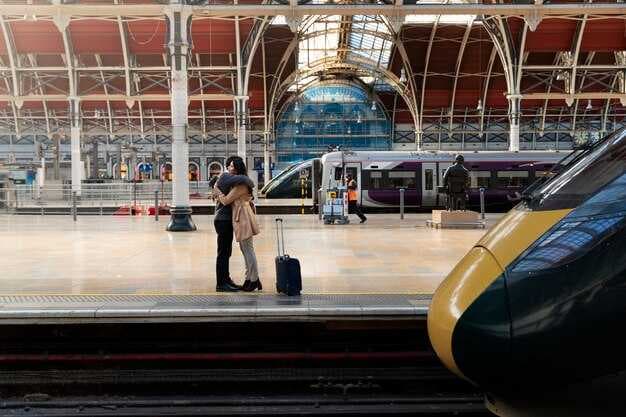
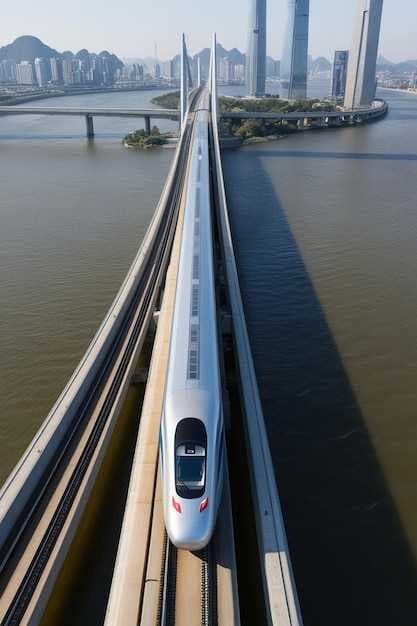
The simplest route is a car: DiDi or a hotel-arranged driver covers PKX to Baigou in about an hour, and a driver who waits while you walk the market is the standard arrangement for buying trips (agree a half-day price upfront; your hotel can broker it). The rail alternative: the Beijing-Xiong''an intercity line stops at Daxing Airport, reaches Xiong''an station in about 20 minutes, and from there Baigou is a 20 to 25 minute taxi. When the new R1 express opens (second half of 2026), that connection gets even faster. Either way, our airport taxi guide covers the rank logistics and fare math at the PKX end.
One warning about timing: wholesale markets live by wholesale hours. Baigou''s trading buildings open early and start winding down by late afternoon, and weekday mornings are when the serious buying happens. Plan the market for the morning after you land, not the evening of arrival.
How Baigou actually works for a foreign buyer
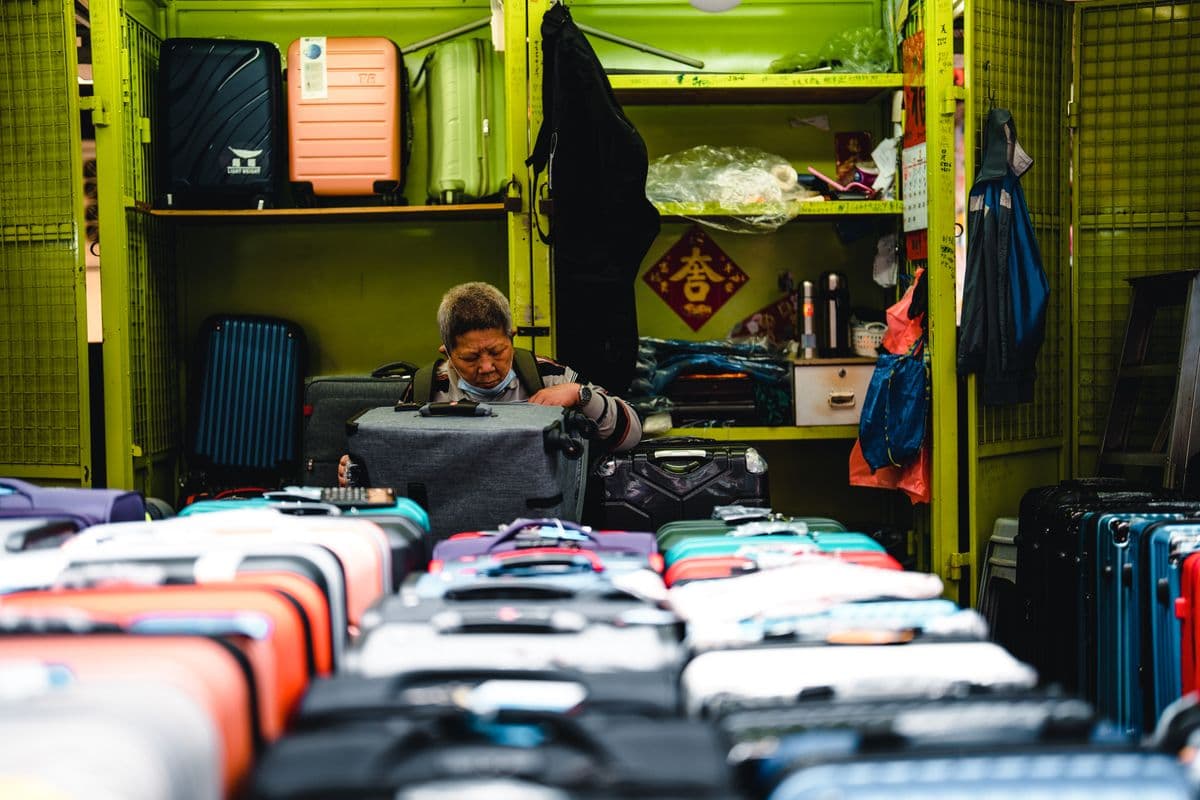
The market is organised by building and floor (travel luggage, backpacks, handbags, materials and hardware each have their zones), and it serves two audiences at once: stall-front wholesale with minimum order quantities, and factory-direct OEM behind it. The ground rules: bargaining is expected and bulk prices bear little relation to the sticker; most vendors quote MOQs from a few dozen to a few hundred pieces; samples are purchasable on the spot at retail-ish prices; and the surrounding town is full of cargo agents who consolidate and ship internationally, so you do not carry anything home. Quality spans the full range, which is the point: you inspect, compare across twenty stalls in an afternoon, and negotiate with the factory rep directly.
Language and money: English is thin on the ground, so a translation app and a calculator do the talking (our translation apps guide helps), payments lean on Alipay, and for every business payment collect the fapiao: for a sourcing trip those invoices are your customs and accounting trail.
Paperwork: most buyers need no visa
A buying trip is a permitted business activity under China''s visa-free entries: the 30-day exemption for 38 passports and the 240-hour transit for 55 (including the US) both cover meetings, fairs and trade negotiations. Which door fits your passport and routing is a five-minute check in our business entry guide. Frequent buyers on long itineraries still take the M visa.
A realistic two-day template
Day one: land at PKX, clear immigration (30 to 60 minutes), driver to Baigou by late morning, walk the International Bag City and shortlist vendors, samples and quotes by evening, sleep in Baigou or back near the airport. Day two: factory visits with your shortlist or a half-day in Gaobeidian or Shengfang, cargo agent to arrange shipping, evening flight out or onward. With the 240-hour transit that comfortably fits inside the visa-free window with days to spare.
Frequently asked questions
Can I buy a single sample, or is everything bulk?
Is there an English-speaking agent scene in Baigou?
How does shipping work after I buy?
Is Baigou worth it against Guangzhou''s markets?
Sources
Logistics verified in June 2026; market hours and rail schedules shift, so confirm with your hotel or driver the evening before. This is an independent guide and is not affiliated with the airport or any market. Photo: Pexels.