

Pekin'e ilk seyahatinizi mi planlıyorsunuz yoksa havalimanlarından birinden geçerken durak mı yapacaksınız? Bu SSS, pratik temel bilgileri kapsar: vizeler ve vizesiz transit, ziyaret etmek için en iyi zaman, ulaşım, ödemeler ve zamanınıza en değecek turistik yerler.
Pekin'i ziyaret etmek için vizeye ihtiyacım var mı?
Çoğu yabancı ziyaretçinin, Çin büyükelçiliği veya vize merkezi aracılığıyla önceden ayarlanmış bir turist (L) vizesine ihtiyacı vardır. Ancak, birçok ülkenin vatandaşları Pekin dahil olmak üzere belirlenmiş limanlarda üçüncü bir ülkeye veya bölgeye gidiş biletiyle 240 saate (10 gün) kadar kalmak koşuluyla, transit geçerken Çin'in vizesiz transit politikasını kullanabilirler. Ayrı bir 24 saatlik doğrudan transit muafiyeti de mevcuttur. Kurallar ve uygun ülke listeleri değişir, bu nedenle seyahat etmeden önce havayolunuz ve Ulusal Göç İdaresi ile durumunuzu onaylayın.
Pekin'i ziyaret etmek için en iyi zaman ne zamandır?
İlkbahar (Nisan-Mayıs) ve sonbahar (Eylül-Ekim) en rahat hava koşullarını ve açık gökyüzünü sunar. Yaz ayları sıcak ve nemli olup öğleden sonra yağışlı geçerken, kış ayları soğuk ve kurudur ancak büyük turistik yerlerde daha sakindir. Ekim Altın Haftası gibi ulusal tatiller, çok büyük yerli kalabalıkları getirir, bu nedenle mümkünse bunlardan kaçının.
Pekin'de ulaşım nasıl sağlanır?
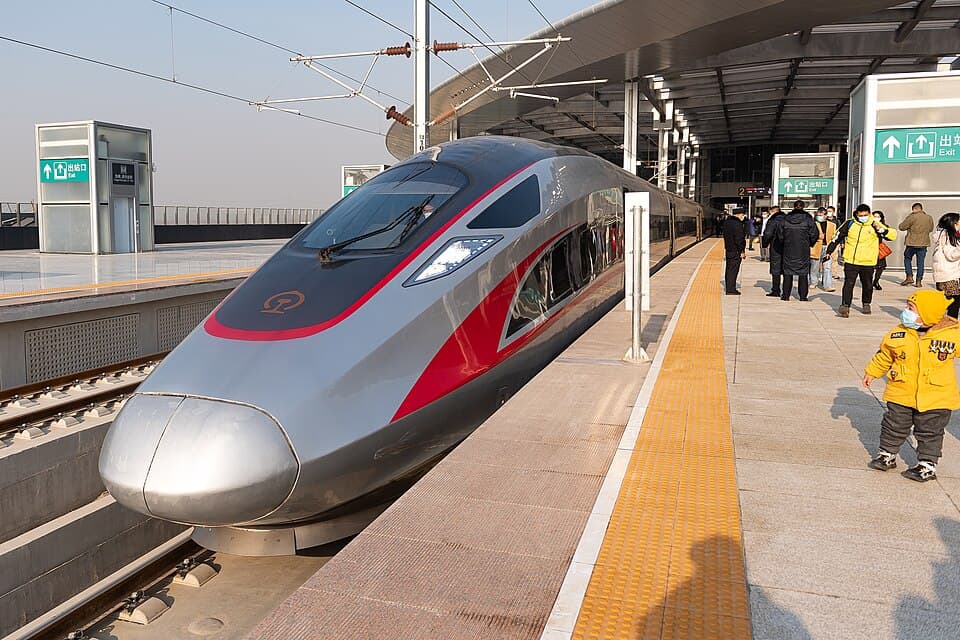
Metro, çift dilli tabelalar ve 3 CNY'den başlayan ücretlerle en hızlı ve en ucuz ulaşım yoludur. Lisanslı taksiler ucuzdur ancak sürücüler nadiren İngilizce konuşur, bu nedenle varış noktanızı Çince yazdırın. İngilizce seçeneği olan Didi aracılığıyla yolculuk çağırmak yaygın olarak kullanılır. Havaalanlarından, özel havaalanı ekspres ray hatları metro ağına bağlanır.
Ödemeler nasıl çalışır?
Pekin büyük ölçüde kartsızdır. Alipay ve WeChat Pay aracılığıyla mobil ödeme hakimdir ve her iki uygulama da artık yabancı ziyaretçilerin uluslararası bir kart bağlamasına izin veriyor. Birkaç küçük satıcı hala nakit tercih ettiği için yedek olarak bir miktar nakit taşıyın ve uluslararası kredi kartları çoğunlukla otellerde ve büyük mağazalarda kabul edilir.
En popüler turistik yerler nelerdir?
- Yasak Şehir (Saray Müzesi) — eski imparatorluk sarayı; önceden çevrimiçi zamanlı bilet rezervasyonu yapın ve Pazartesi günleri kapalı olduğunu unutmayın.
- Tiananmen Meydanı ve Qianmen Caddesi — devasa merkezi meydan ve bitişiğindeki tarihi yaya alışveriş caddesi.
- Cennet Tapınağı — geniş bir parkın içinde yer alan UNESCO listesindeki imparatorluk tapınak kompleksi.
- Yazlık Saray — yarım günlük ziyaret için ideal, göl kenarında imparatorluk bahçesi.
- Çin Seddi — Mutianyu ve Badaling bölümleri en erişilebilir günübirlik gezilerdir; tam gün ayırın.
Sıkça Sorulan Sorular
Pekin'de İngilizce yaygın olarak konuşuluyor mu?
Otel, havaalanı ve büyük turistik yerler dışında İngilizce sınırlıdır. Metro ve turistik yerlerdeki tabelalar iki dilli olsa da, bir çeviri uygulaması ve gideceğiniz yerin Çince karakterlerle yazılmış olması günlük seyahati çok daha kolaylaştırır.
Pekin'de Google Haritalar kullanabilir miyim?
Bir VPN olmadan Google hizmetleri Çin anakarasında güvenilir değildir. Birçok ziyaretçi Apple Haritalar veya yerel bir uygulama kullanır ve varmadan önce çevrimdışı bir harita indirir. Havaalanından alınan yerel bir SIM veya eSIM sizi bağlı tutar.
Musluk suyu içilebilir mi?
Musluk suyunun içilmesi tavsiye edilmez. Şişelenmiş veya kaynatılmış su kullanın; oteller genellikle su ısıtıcısı ve şişelenmiş su sağlar.
Kaynaklar ve Sorumluluk Reddi
Resmi kaynaklara göre doğrulanmıştır. Vize kuralları, fiyatlar ve çalışma saatleri bildirilmeksizin değişebilir; seyahatten önce onaylayın.