Start with a plan to shoot during the evening at the arrivals side, where glass walls frame the main concourse. Weather permitting, step close to the outer glass to catch reflections and layer foregrounds with the busy travel flow.
Move alongside the garden-inspired atrium, a design that links facilities and services across terminals. The official guide highlights the central garden as an anchor for ambient frames; keep your focal length around 35-50mm to include both people and architecture in one look.
Identify the name of key zones on signage and shoot from the mezzanine near the gate-side corridors to capture layers–people crossing, escalators moving, and the ceiling's geometry designed to guide the eye.
According to yixin, an insider, views alongside the skylight corridor that runs between the arrival and service areas balance natural light with indoor lighting as day fades.
Be mindful of restricted zones that require authorization; stay in public spaces and the side aisles that mirror the concourse's rhythm. In the evening, the arches evoke a church-like ambiance–shoot from the lower level toward the upper glass for a dramatic look that emphasizes geometry and scale.
Use the official guide to plan a loop that passes facilities and services around the central hub; this sequence yields varied background textures, from polished stone to digital displays, and a look that showcases the airport's layered design.
For travel imagery in motion, frame crowds moving alongside the gate-area and note how the curved roof lines create leading lines toward the gates.
Practical Guide to Terminal Shots and Waiting Areas at PKX
Start with earlier-morning arrival at PKX in beijings, where built white surfaces invite even light. The first move is to position yourself near glass walls that face the main lanes so you can see activity within the flow of travelers.
Look for hidden corners along the upper mezzanine where morning light creates soft gradients; you can shoot from a few steps earlier to avoid last-minute congestion and still catch the pace of the arrival flow.
Waiting areas: pick seats near large windows, with white frames and calm colors; this helps reflections fall naturally. Use layers of glass to create layered compositions, and align your angle with the function of the space to make the most of what you see from those viewpoints.
Equipment tips: traveling light is advised; bring a 24-70 lens, a small tripod or monopod if allowed, and keep settings around ISO 100-200, shutter 1/125s, aperture near f/8 to keep foreground and background crisp, especially when the crowd moves.
Check official guidelines on the website; in some zones, a national or local permit may be required, so plan ahead and verify before you go. Travel plans should not rely on a single moment but on a sequence of arrivals and departures.
Insight and inspiration: chen and martin suggest focusing on the last moment before arrivals gather, such as the line of travelers moving through the white arches; spotted details like starfish-shaped seating or architectural motifs can be used as anchors, a small nod to the style seen in spring light.
Be mindful of changes: light shifts with spring mornings; be ready to adjust white balance; expect reflections on glass; by planning around the morning schedule you can capture arrival flows in their natural rhythm. This isnt about posing but about timing and precision.
Wrap-up: within PKX, waiting areas offer multiple layers of composition; use the first light, the later light, and the spaces opened by architecture; the website can provide maps to locate hidden viewing points, and you can spot opportunities as you observe the way light plays on white surfaces.
Optimal Times: Lighting, Shadows, and Crowd Flow Across the Terminal
Schedule for 11:00–14:00 to rely on even, clear light that pours through skylights, illuminating surfaces across daxingairport with natural color and minimizing harsh shadows.
For crowd dynamics, aim for mid-morning and late-evening windows when transit activity drops slightly; while the main corridors remain busy, you can find pockets with tranquility and ample space to frame images without worry. If you want to maximize variety, plan routes that weave through the garden-area spaces and elevated overlooks to reveal different layers of light and motion.
- Lighting behavior: the roof structure creates layers of brightness; position near the main glass walls to pick up reflections on polished floors and to keep colors crisp even as crowds shift. Expect broad illumination around solar-noon, with softer edge around the edges of the concourse.
- Shadow management: shoot from elevated spots to avoid flat, bottom-heavy lighting; use the overhangs and balconies to add depth and single-subject emphasis against the backdrop of moving transit streams.
- Crowd timing: coordinate around peak flights, then slip into quieter zones for cleaner frames; be ready to install a tripod in permitted free areas and move immediately if access changes at passport checkpoints or near bag claim.
- Locations to consider: near the chinese garden, along the central concourse, and atop upper levels overlooking gates; these spots let you find a balance between open space and intimate details, providing calm instead of clutter everywhere.
Practical notes: bring a fast lens to keep imagery sharp in dim corners of the garden and transit corridors; pick moments when light wraps around architectural features rather than fighting crowds. If you want, you can pick multiple vantage points along the main routes, from near parking to near sights that draw beijingtrip enthusiasts beaming with energy, and shoot beijings moments everywhere while staying within safe, posted zones. For travellers with a passport in hand, plan to move through the free zones quickly and keep your setup compact to avoid slowing the flow for others.
Iconic Angles: Finding the Star-Shaped Terminal’s Best Concourse Vantages
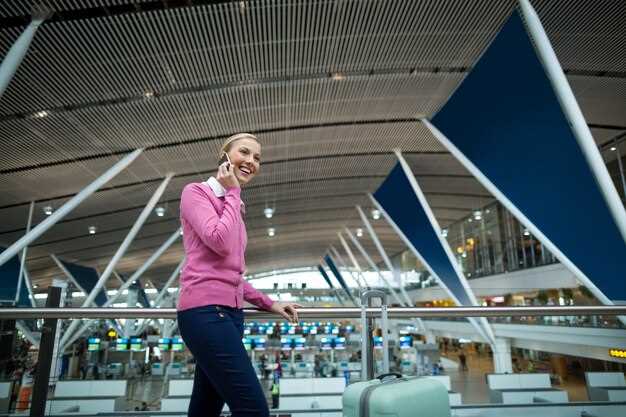
Pick the central axis near the vast skylight where the radiating passages meet; this angle exposes the star-shaped layout against clean glass and smooth floors.
Optimal moments occur in late afternoon when daylight travels between glass walls, and during mid-morning transiting peaks; you can capture between calm and bustle in a single frame for photos, across times.
Frame the lines of columns and ceiling ribs to exaggerate the geometry; shoot from between two floors looking upward as the arcs meet, creating a graphic cross-section that reads as a map of spaces, a moment of tranquility between motion.
City context matters: include distant Chinese signage and reflections that hint at tiananmen, wangfujing, or springtime streets; this adds authenticity for beijingtrip watchers while keeping the vignette clean.
Practical notes: carry a wide lens for the single frame that captures the star-driven silhouette; use maps to navigate vantage points between concourses and check updates on flight timing; stay mindful of crowds, but the lines and levels offer natural calm for long exposures, even with a handheld machine.
Architects behind the concept, including references to zaha and hadids, shaped the ceiling geometry; yixin points to the crisp rhythm of supports, while drivers of transit create a bustling backdrop that reads as gems in the city’s bustle. Didn’t rely on luck–please look for those quiet moments that reveal the structure’s temple-like elegance, and note how this contrasts with the bustling flow of arrivals and departures.
For more context on the design, visit the Zaha Hadid Architects page: Zaha Hadid Architects.
Passenger-Friendly Framing: Shooting Without Disturbing People
Use a telephoto lens from a discreet distance to frame moving passengers without interrupting them.
Choose elevated viewpoints such as mezzanines and public galleries located around gate clusters, where you can observe flow and respect the space. The atmosphere feels like a temple, with amazing light and built features guiding the eye along lines and curves. Movement patterns were shaped to minimize interference, so work around the main corridors rather than stepping into crowds.
Gear: a versatile 70-200mm or 100-300mm zoom, stabilized, with fast autofocus. Shoot at f/4–f/8, 1/125–1/250 s to freeze movement, ISO 100–800 according to light. RAW preferred; no flash; use silent shutter on mirrorless; if DSLR, try quiet mode. Note the location of the best vantage points and consult the official website for current access and any restrictions.
Evening light brings warmth; the southern facade often yields warmer tones; natural light filters through skylights and reflects off glossy surfaces. The starfish-inspired ceiling fixtures add subtle highlights; reveal textures without blowing highlights.
Respect privacy; keep distance; use a long lens to stay unobtrusive; if staff ask you to stop, comply. For beijingtrip planning, check baidu maps and the official website for allowed areas; some zones near transiting passengers are restricted. photographer chen notes that quiet hours offer the least disruption. Avoid lingering in restricted zones; your presence should be an escape for the moment, not a disturbance.
Location tips: position yourself on mezzanines overlooking gates; near Gate 3 and Gate 7; look around the southern concourse and the central atrium for dynamic alignments. Langfang connections, Tiananmen lines, and beijingtrip routes provide orientation. The architecture feels futuristic and flying, with lines guiding the eye toward the gate and beyond.
Post-processing: tag files with location and time, add beijingtrip in metadata, and publish on your website. Keep everything natural and faithful to the scene; preserve the star-like ceiling details and the overall mood; avoid aggressive processing that erases texture. Everything you need to tell the story lives in light, people around, and the space itself.
Detail Gems: Signage, Materials, and Architectural Textures to Highlight
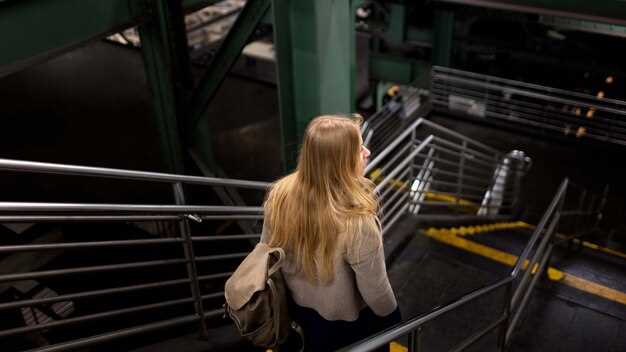
Start with a clear directive: make the most of signage textures and material contrasts during the golden hour; here is a practical approach you can apply in minutes.
Target every signage panel as a narrative: backlit acrylic panels, high-contrast sans-serif type, and color blocks that guide flows; shoot from eye level to capture scale and avoid glare; use bolt-like metal letters for added texture on a few panels; ensure the function of each sign is legible from a distance.
Note stepped façades and terrazzo floors; document brushed aluminum, glass, and natural timber laminates; use a low-angle approach to reveal texture depth; spotted patterns on floors yield compelling photos.
Take advantage of over light and ambient daylight filtering through skylights; reflections on polished steel and clouded glass create tranquility; compose frames that reveal cross-planes and stepped edges.
Carry a phone and a compact zoom; shoot with 50mm to 85mm equivalents to foreground textures; vary height to produce different perspectives; this simple setup makes it easy to build a strong series of photos.
The design language nods to zaha and the hadids, with smooth curves and stepped volumes that recur in beijings projects; chinas authorities said recently that the signage function should be most foreign-friendly and intuitive; however, alipay signage and QR panels appear near facilities; be mindful of that during dusk hours in september, a month when light shifts across surfaces, which the website highlights in its experiences; this is where the beijing guides share insights about signage evolution and hainan-inspired calm palettes.
Every stroll yields a surprise and a chance to spot subtle details; if you miss one angle, circle back to capture another; very subtle textures like a back-lit bolt or a fine plaster grain can elevate a line of photos; absolutely worth exploring else where.
Gear and Settings: Lenses, ISO, and White Balance for Interior Architecture
Iniziate con uno zoom versatile (24-70mm) su un corpo macchina a fotogramma intero per coprire spazi ampi e linee architettoniche; questa location offre strati di volumi che premiano una preparazione anticipata. Quando visitate la zona del corridoio occidentale di Langfang, aspettatevi di dovervi adattare rapidamente mentre la luce si sposta tra sezioni aperte e ombreggiate. Per l'esplorazione, tenete un piano per inquadrature che includano la linea di vista aperta e le guide luminose ripetute. In primavera, il tempo può cambiare rapidamente; dopo un cambiamento di luce, ricontrollate il bilanciamento del bianco e l'esposizione. Se utilizzate un telefono per un controllo rapido, potete confrontare il colore prima che l'attrezzatura principale sia pronta. Impostate RAW e scattate in manuale, quindi rivedete dopo alcuni minuti per confermare la coerenza.
La bilancia del bianco è fondamentale in ambienti misti: un valore di base di 5200K–5600K funziona in molti spazi, ma non esiste un singolo valore universale. Blocca la WB una volta stabilito un tono corretto e regola entro ±1000K per una maggiore tonalità calda al tungsteno o freschezza al LED. Per finestre e lucernari, 5400K–5500K produce generalmente bianchi naturali; utilizza una scheda grigia o regolazioni RAW per mantenere la coerenza insieme alla luce mutevole. L'obiettivo è ottenere bianchi puliti sulle superfici architettoniche e tonalità della pelle realistiche quando le persone compaiono nell'inquadratura: questa è una parte fondamentale delle esperienze fotografiche di prima mano e all'avanguardia.
Lenti in base allo scenario: i lunghi corridoi e le linee delle scale traggono beneficio da 16-35mm o 24-70mm; per texture e dettagli, un obiettivo fisso da 50mm fornisce una distorsione minima. Imposta l'apertura a f/4–f/5.6 per preservare la profondità lungo la linea ed evitare una distorsione eccessiva nei piani ravvicinati. Mantieni ISO a 400–800 in baie luminose e passa a 800–1600 negli angoli deboli; spingi a 3200 solo quando devi mantenere un tempo di scatto più veloce per elementi in movimento come passeggeri e segnaletica. Quando i voli passano attraverso pareti di vetro, usa 1/125s o più veloce per mantenere l'architettura nitida mentre la folla si sfuma leggermente.
Strumenti e flusso di lavoro: riprendere a mano libera quando possibile, ma un piccolo treppiede o monopiede può aiutare in aree aperte con scarsa illuminazione; verificare le normative locali prima del montaggio. Per spazi aperti con luminosità mista, considerare la misurazione a esposizione multipla per proteggere i punti luminosi e le ombre. Se ti affidi a un telefono per controlli rapidi, usalo per valutare il WB e l'inquadratura, ma affidati al corpo principale per le immagini finali. Insieme a un flusso di lavoro di post-produzione affidabile, questo approccio porta il minor rumore e la massima chiarezza al lavoro di linea e alle texture superficiali che incontrerai mentre esplori, trasformando presto lo spazio in un'esperienza memorabile.
| Gear | Why it helps | Recommended settings | Notes |
|---|---|---|---|
| Wide-to-normal zoom (16-35mm or 24-70mm) | Frames open areas and aligned lines | f/4–f/5.6, ISO 400–800, 1/60–1/125 | Watch distortion; correct in post |
| 50mm prime | Detail and texture with minimal distortion | f/1.8–2.8, ISO 200–400, 1/125 | Great for layered surfaces and textures |
| Tripod or monopod | Stabilizes longer exposures in dim zones | 1–2s with remote; 1/60s handheld as baseline | Check access rules before use |
| ND filter (2–4 stops) | Controls brightness near skylights or glass | 2–4 stops | Requires stable support |
| WB tool or gray card | Ensures accurate white balance across scenes | Baseline 5200–5600K; adjust as needed | RAW preferred for post tweaks |