
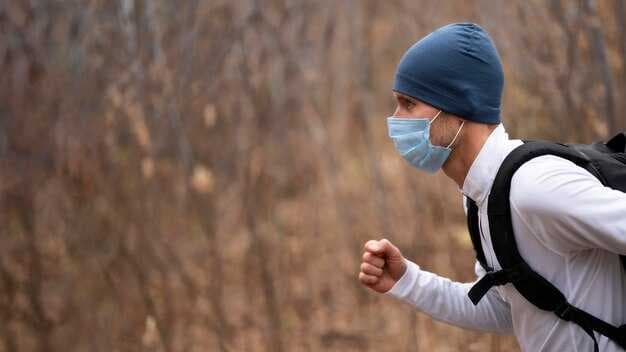
Vérifiez l’indice de qualité de l’air avant de sortir. Si l’IQA est supérieur à 100, orientez vos projets extérieurs vers des itinéraires abrités et des espaces intérieurs. Emportez un masque N95 avec une filtration suffisante, gardez un filtre de rechange dans votre sac et limitez l’exposition lorsque le vent pousse les polluants à travers les canyons urbains.
Les effets sur les habitants se sont fait sentir lorsque les PM2,5 ont augmenté ; une fatigue épuisante, des maux de tête et des yeux irrités sont devenus courants. Dans de nombreux quartiers, l’air semble plus gris que par temps clair, et ceux qui vivent près des grands axes routiers des camions signalent des symptômes plus graves. La pollution balaie les corridors des rues, et même lorsque le vent change, l’air local reste vicié. Certains observateurs disent que l’odeur d’échappement d’un moto ou deux fait partie de la vie quotidienne, tandis que les zones de parcs près des larges boulevards offrent un bref répit. Ici, les régimes de vent comptent et peuvent améliorer ou aggraver l’exposition.
Pour minimiser les risques, planifiez en fonction du vent : dirigez-vous vers des espaces ouverts lorsque l’air s’éloigne du trafic ; envisagez des itinéraires de parc qui permettent à l’air de circuler. Voici des options concrètes : séjournez dans des hôtels avec filtration HEPA ; utilisez un purificateur portable ; gardez les fenêtres fermées pendant les heures de forte pollution ; portez un masque N95 lorsque l’IQA grimpe ; restez hydraté et faites des pauses à l’ombre loin des axes fréquentés. Si vous devez marcher, gardez les séances courtes et déplacez-vous entre des tronçons abrités.
Les avis locaux sont fréquemment mis à jour ; lorsque le vent change ou que les goulots d’étranglement du trafic persistent, l’exposition explose. De nombreux sites de travail chinois subissent des niveaux plus élevés, et leurs résultats dépendent de la météo et de l’application de la loi. Certaines mesures ne sont pas toujours possibles dans un itinéraire serré, mais de petits changements peuvent réduire l’impact. Si des symptômes apparaissent, consultez un médecin rapidement et ajustez vos plans en conséquence.
Pollution à Pékin : Conseils rapides pour les voyageurs

Mettez un masque N95 ajusté avant de sortir.
Vérifiez la qualité de l’air le matin ; la météo peut changer et un brouillard enveloppe la ville ; connaissez la plage d’IQA et planifiez soit une activité extérieure si elle reste modérée, soit des options intérieures si elle dépasse 100 ; vous ressentirez la différence dans la gorge et les poumons lorsque la pollution alourdit l’air ; sachez où avancer et quand faire une pause pour protéger la santé.
Protégez le sommeil et la santé en gardant les fenêtres fermées pendant les fortes poussières ; l’exposition chronique peut provoquer des pertes de sommeil et des irritations de la gorge ; utilisez un filtre ou un purificateur si disponible ; buvez de l’eau, utilisez un spray salin et portez des lunettes de soleil ; il y a eu des cas où l’air du matin semblait plus propre, mais les conditions peuvent changer rapidement.
Évitez de faire du scooter dans un trafic dense ; le mur d’échappement aggrave l’exposition ; lorsque c’est possible, passez au métro ou à la marche dans des couloirs ombragés ; si vous devez voyager à l’extérieur, restez aux heures les plus propres et portez un masque.
Planifiez une excursion à Jiankou sur la Grande Muraille pendant un matin calme ; il y a un contraste notable entre le calme matinal et la brume de l'après-midi ; l'air au-dessus de la muraille reste souvent au-dessus de la poussière lourde ; apportez une écharpe, un chapeau et de l'eau ; si vous sentez l'odeur de déchets qui brûlent dans les zones périphériques, ajustez vos plans vers un itinéraire moins pollué ; la voûte céleste se voit bien à travers une fine brume.
| Article | Usage | Remarques |
|---|---|---|
| Masque N95 ou KF94 | Filtre les fines particules ; réduit les risques pour la santé | Gardez des filtres de rechange ; remplacez s'ils sont humides |
| Écharpe ou châle | Couvre la bouche/le nez ; protège les yeux | Utile par les jours venteux et poussiéreux |
| Hydratation et spray salin | Garde les muqueuses humides ; soulage les irritations | À emporter le jour même |
| Moniteur compact de la qualité de l'air | Suivit la plage de l'ICQ pour ajuster les plans | Utile le matin |
Types de masques et ajustement : Sélection et calendrier de remplacement des N95/KN95
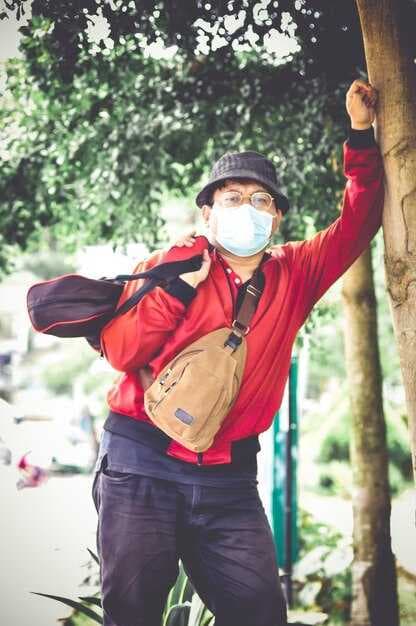
Choisissez un N95 ou KN95 avec un embout nasal moulé et deux courroies élastiques ; assurez-vous que les marques de certification crédibles sont visibles. Effectuez un test d'étanchéité : inspirez pour serrer le masque ; expirez, l'air ne doit pas s'échapper au niveau du pont nasal ou des joues. En cas de fuite, serrez l'embout nasal et ajustez les courroies ou essayez une taille différente. Ces problèmes ne sont pas rares lorsqu'un modèle ne correspond pas au visage. Peter, d'une clinique locale, note que les fuites au niveau des joues apparaissent généralement après une nuit de sommeil lorsque la peau est lisse, ce qui rend les vérifications matinales importantes.
- Type et certification : N95 (NIOSH) ou KN95 (GB2626-2006) avec une filtration d'environ 95 % avec un ajustement correct ; les modèles à courroies élastiques sont supérieurs aux modèles à attaches d'oreille, et les variantes à soupape ne sont pas idéales dans les espaces partagés car elles réduisent le contrôle à la source. Les conditions de brume de la ville exigent une filtration fiable et une étanchéité serrée.
- Ajustement et taille : assurez une étanchéité serrée autour des joues ; placez la courroie supérieure au-dessus de la tête et la courroie inférieure sous les oreilles ; pincez la pince nasale pour l'ajuster ; effectuez un test d'étanchéité en expirant doucement pour confirmer qu'aucun air ne fuit aux bords. Si de l'air fuit autour des joues, réajustez les joues et les courroies ou essayez une taille différente. Sachez qu'il n'y a pas d'étanchéité parfaite sans un ajustement correct.
- Calendrier de remplacement : en cas de forte brume, remplacez après 6 à 8 heures d'utilisation continue ; s'il est humide, sali, endommagé ou si la résistance à la respiration augmente, jetez-le immédiatement. Emportez 2 à 3 masques à chaque sortie et faites-les tourner pour rester dans les limites d'utilisation ; ne réutilisez jamais un respirateur jetable au-delà d'une journée d'exposition.
- Règles de stockage et de réutilisation : après le retrait, stockez dans un sac respirant ; évitez de plier le filtre ; gardez à l'écart des contaminants ; jetez si le sac devient humide ou contaminé. Cette dernière approche aide à prévenir la perte de capacité de filtration lors des changements météorologiques de la ville.
- Remarques contextuelles : lors d'une balade en scooter à travers des rues jonchées de déchets et des moteurs qui crachent, l'air peut passer au niveau des joues si l'étanchéité n'est pas solide ; les matins dans les environnements chinois semblent souvent plus rudes car la voûte céleste au-dessus des limites de la ville laisse la brume persister. Dans de telles situations, sachez quand passer à une unité neuve et quand ajuster l'ajustement, car la différence entre un ajustement serré et un ajustement lâche est réelle.
La qualité du sommeil se détériore souvent lorsque la qualité de l'air se dégrade ; les masques influencent ainsi la santé et les performances au travail quotidien. Les résidents qui les portent correctement évitent une perte inutile d'exposition pulmonaire. Dans tous les cas, maintenez un rythme de remplacement et vérifiez l'ajustement chaque matin ; cette pratique aide lorsque la météo change ou lorsque les niveaux de pollution augmentent. Ils ne sont pas un équipement miracle, bien qu'ils réduisent considérablement l'inhalation de particules fines, ce qui importe par temps venteux, pendant les heures de pointe et dans les espaces confinés où les fuites se produisent à travers les interstices autour du nez et des joues. Connaissez les signes révélateurs : un brouillard persistant autour du jiankou, des sangles humides ou une odeur nauséabonde signalent tous la nécessité d'une nouvelle unité. Lorsqu'ils sont utilisés correctement, ces masques vous aident à vous déplacer dans les rues de la ville, à effectuer vos trajets matinaux et à vivre la vie urbaine chinoise avec plus de confiance.
Lecture de l'ICQ et planification extérieure : ce que les chiffres vous disent
Commencez par la dernière lecture de l'ICQ ; lorsque l'indice reste inférieur à 100, le temps passé à l'extérieur en pleine lumière est raisonnable, surtout dans le parc, où une légère brise aide à l'échange d'air sous le firmament aujourd'hui.
0-50 : bon air aujourd'hui ; 51-100 : il est possible de se promener ; certains résidents se sentent bien, d'autres remarquent des irritations. 101-150 : malsain ; limitez l'exposition et portez des masques si vous devez sortir. 151-200 : malsain ; minimisez les activités extérieures. 201-300 : très malsain ; restez à l'intérieur et évitez une exposition prolongée. 300+ : risque d'air mort ; évitez les tâches extérieures si possible. Aujourd'hui, des cieux plus gris laissent entrevoir un brouillard dérivant, alors ajustez les plans en conséquence.
Le moment compte : la météo et le vent changent tout au long de la journée ; bien que les dernières heures puissent apporter une brise plus forte, les premières peuvent apporter un air voilé. S'il y a du vent en provenance d'une direction plus propre, les échanges d'air s'améliorent près du parc ou le long des rues ouvertes. Les deux plans fonctionnent : profitez d'une courte fenêtre extérieure maintenant, puis revérifiez l'ICQ et retirez-vous si les chiffres augmentent ; la ville aime les périodes de pur air et a tendance à les répartir sur les matins ou les soirs, là où le vent aide.
Étapes pratiques : portez des masques lorsque l'ICQ entre dans les bandes malsaines ; dans les zones à fort trafic, les camions et les échappements des scooters augmentent rapidement la concentration. Même avec des masques, l'exposition peut sembler impuissante face aux toxines. Heureusement, vous pouvez choisir des itinéraires avec un trafic plus léger et une meilleure dilution ; Delhi par mauvais temps illustre le pire scénario, mais aujourd'hui Pékin peut offrir un soulagement lorsque le vent change. Pendant ces périodes, les résidents peuvent toujours profiter d'une courte promenade, puis se retirer. Si possible, gardez les fenêtres fermées pendant les heures de pointe et utilisez la filtration si elle est disponible ; si vous devez sortir, limitez le temps et planifiez un retour au confort de la ville bientôt. Là-bas, la ville semble moins hostile, et certaines choses – comme l'arôme de pêche d'un café à proximité – aident à adoucir la sensation d'un air plus gris, même si la perte de sommeil due à la toux reste un risque.
Planification quotidienne à l'extérieur : planifier les promenades et les itinéraires selon la qualité de l'air
Planifiez les promenades matinales lorsque l'ICQ est inférieur à quatre-vingts ; si les perspectives montrent des niveaux plus élevés, retardez l'activité ou choisissez des alternatives intérieures. Il y a un brouillard enveloppant autour de la planification extérieure : la poussière et le flux du trafic changent avec le vent, alors soyez prêt à ajuster les itinéraires rapidement.
Privilégiez l'ombre et les chemins à faible exposition : rues bordées d'arbres, parcs et sentiers riverains. Évitez les voies réservées aux camions et aux scooters le long des artères principales ; elles sont souvent plus poussiéreuses lorsque le vent change. Certains apprécient les quartiers chinois où l'air circule plus librement et où il y a moins d'échappements directs provenant de gros moteurs.
Les jours où la poussière se lève et qu'une brume enveloppante se forme, raccourcissez les segments et utilisez des zones verdoyantes et des couloirs abrités pour protéger votre santé ; évitez l'exposition à Jiankou et autres tronçons à haute altitude où l'air stagnant peut persister.
Lorsque la visibilité diminue, passez soit à des boucles plus courtes, soit faites une pause pour boire de l'eau. Cette approche a été pratiquée par les habitants. Peter, de la clinique locale, note que certains survivent aux pires journées en restant dans des zones abritées du vent près des murs et en utilisant des vêtements en couches. Peter a entendu le même schéma de la part des randonneurs.
Surveillez la direction du vent et les mises à jour sur la qualité de l'air ; tout au long de la matinée, la gamme des polluants peut changer, et des cieux plus gris arrivent souvent en fin de matinée. Si vous remarquez des ordures le long des sentiers, choisissez des itinéraires différents ou quittez la zone. L'heure du sommeil compte ; gardez votre équipement léger afin de pouvoir vous déplacer rapidement si les conditions s'aggravent plus loin sur la route.
Emportez les essentiels : de l'eau, une carte compacte, un foulard léger et un masque avec des filtres de rechange. Ceux qui veulent rester en sécurité savent choisir des itinéraires qui passent près des pêchers dans les parcs pour bénéficier de l'ombre, et donner la priorité aux itinéraires avec moins de véhicules. Plus tard, Jiankou peut être revisité lorsque la qualité de l'air s'améliore, et vous connaîtrez mieux la zone grâce à des visites répétées.
Protections de l'air intérieur : Hôtels, aéroports et espaces publics
Choisissez des chambres d'hôtel avec filtration HEPA, portes étanches et contrôles de ventilation indépendants ; si une chambre ne possède pas ces caractéristiques, passez à une autre avec des systèmes d'air vérifiés.
- Hôtels
- Demandez une documentation montrant une filtration HEPA ou MERV 13+ et un fonctionnement continu lors de l'occupation ; vérifiez que le traitement d'air est entretenu selon un cycle régulier.
- Assurez-vous que les seuils de porte, les joints de fenêtre et les stores de nuit bloquent la poussière externe, la brume et les émissions des rues de la ville ; évitez les chambres avec des espaces visibles.
- Préférez les surfaces dures et les textiles lavables ; évitez les lourds rideaux qui retiennent la poussière ; cela soutient la qualité du sommeil et réduit la perte de repos.
- Gardez des masques jetables à portée de main dans la chambre ou dans le sac ; un moniteur portable de qualité de l'air aide à détecter les niveaux de poussière et les effets sur les résidents sensibles qui ont développé des symptômes.
- Les voyageurs chinois rapportent que les meilleures options offrent une filtration d'air vérifiée et des chambres étanches ; ces choix offrent une grande amélioration du confort, en particulier lors des matins plus gris à Delhi et dans d'autres villes.
- Si une ventilation de type Jiankou existe, confirmez qu'elle est reliée à une boucle de filtration certifiée et ne crée pas un chemin de courant d'air qui aspire de l'air pollué.
- La poussière enveloppante des villes peut s'infiltrer ; demandez une chambre éloignée des bouches d'aération principales et avec des joints serrés pour réduire l'exposition pendant le sommeil.
- Aéroports et centres de transit
- Portez des masques dans les zones bondées ; portez des N95 ou équivalents ; remplacez-les après humidité ou longue exposition.
- Choisissez des salons ou des sièges près des filtres à échange élevé ; évitez les bouches d'aération directes qui rejettent de l'air vers les voyageurs ; cela réduit l'inhalation de poussière fine et de brume.
- Vérifiez les panneaux ou la confirmation du personnel concernant les mesures de qualité de l'air ; de nombreux centres affichent des relevés en direct (CO2, PM2,5, etc.) pour aider à la navigation.
- Une fois que vous atterrissez dans une ville, planifiez le temps passé à l'extérieur après avoir vérifié les avis ; restez dans des espaces intérieurs abrités pendant les pics de brume jusqu'à ce que l'air s'améliore.
- Les bâtiments des villes autour des terminaux peuvent piéger les sons et la poussière ; envisagez de sortir brièvement dans un parc ou une zone ouverte si la qualité de l'air le permet.
- Tenez compte du fait que la poussière peut être ramassée à l’extérieur ; un changement rapide de vêtements aide à réduire le transfert vers les chambres d’hôtel.
- Espaces publics
- Dans les centres commerciaux, les musées et les parcs, recherchez des espaces intérieurs avec des systèmes d’air fermés et des unités de traitement d’air visibles ; les relevés en temps réel renforcent la confiance et peuvent révéler des effets sur l’humeur.
- Les toilettes publiques et les galeries avec une filtration solide réduisent l’exposition à la poussière ; si des files d’attente se forment, déplacez-vous vers des salles adjacentes avec une ventilation contrôlée.
- Les pavillons de parc avec des zones d’air filtré offrent un soulagement lors de rafales poussiéreuses ; si un lieu manque de filtration appropriée, réduisez la durée de votre séjour et déplacez-vous vers une zone intérieure plus propre.
- Ici, les résidents ressentent un soulagement et le sommeil s’améliore lorsque les conditions intérieures restent propres ; les cieux plus gris dans les villes peuvent être compensés par une bonne filtration à l’intérieur des lieux publics.
- Certains visiteurs réagissent aux senteurs de pêche ; préférez des environnements sans parfum dans les espaces partagés pour éviter les irritations.
- Les sons de la ville et le bourdonnement des bâtiments peuvent masquer les indicateurs de qualité de l’air ; les zones intérieures avec filtration réduisent les effets perçus sur le confort et l’énergie.
Équipement de voyage et accessoires : filtration portable, couvre-visages et vêtements
Choisissez un respirateur N95/FFP2 compact et une bouteille de filtration portable, puis une veste coupe-vent en duvet – idéal lorsque vous entrez dans le parc avant l’heure de pointe du matin.
Une bouteille purificatrice avec un filtre de 0,2 à 0,3 micron réduit les particules inhalables et les odeurs, les effets sur la santé diminuent notablement, et vous vous sentez plus stable pendant les longues journées dans les villes et bâtiments enveloppants. Peut-être que des préfiltres ajoutés prolongent la durée de vie du filtre ; choisissez des modèles avec des cartouches remplaçables et des instructions claires sur l’entretien, tout en évitant les affirmations douteuses qui reposent sur le vendeur.
Le port de couches est important : couche de base, isolation intermédiaire, couche extérieure bloquant le vent ; utilisez des tissus chinois avec des membranes respirantes ; un foulard peut doubler comme couche faciale ; un chapeau compact aide dans le froid matinal, et un ensemble de gants légers protège les mains lors du contact avec les rampes par temps frais.
Lorsque vous sortez, surveillez le vent et le trafic ; évitez les routes fréquentes près du parc aux heures de pointe ; ces mopeds crachant des panaches denses peuvent rendre l’air lourd. Les sons des moteurs et le clash des klaxons traversent l’air, bien que vous puissiez choisir des espaces ouverts et la dernière option lorsque c’est possible. Le firmament au-dessus de la ville révèle le contraste entre les cieux bleus et la brume enveloppante ; alors encore, vous pouvez voir des matins clairs aujourd’hui.
Les résidents vivant près de corridors occupés peuvent se réveiller avec une irritation de la gorge ou de la toux ; la qualité de l’air peut affecter la qualité du sommeil et la vigilance diurne ; les chiffres d’aujourd’hui varient considérablement, et les comparaisons avec Delhi vous aident à évaluer le risque. Si vous vous réveillez avec une irritation de la gorge ou de la toux, ajustez les filtres, déplacez-vous vers un parc ou un espace ouvert, et prenez de courtes pauses pour récupérer.
Gardez l’équipement sec et propre ; après des expositions à la fumée, rincez les filtres ; comptez sur un masque de rechange lorsque l’unité principale sèche. Leur routine d’entretien compte ; dans les villes au trafic dense, un stockage approprié prévient les mauvaises odeurs. Faites cela aujourd’hui et dormez mieux après une longue journée.